Species details
- Chaetoceros paradoxus: Peragallo (1897)
- Chaetoceros groenlandicus: Cleve (1896)
- Chaetoceros distans var.subsecundus : (Grunow ex Van Heurck) Hustedt
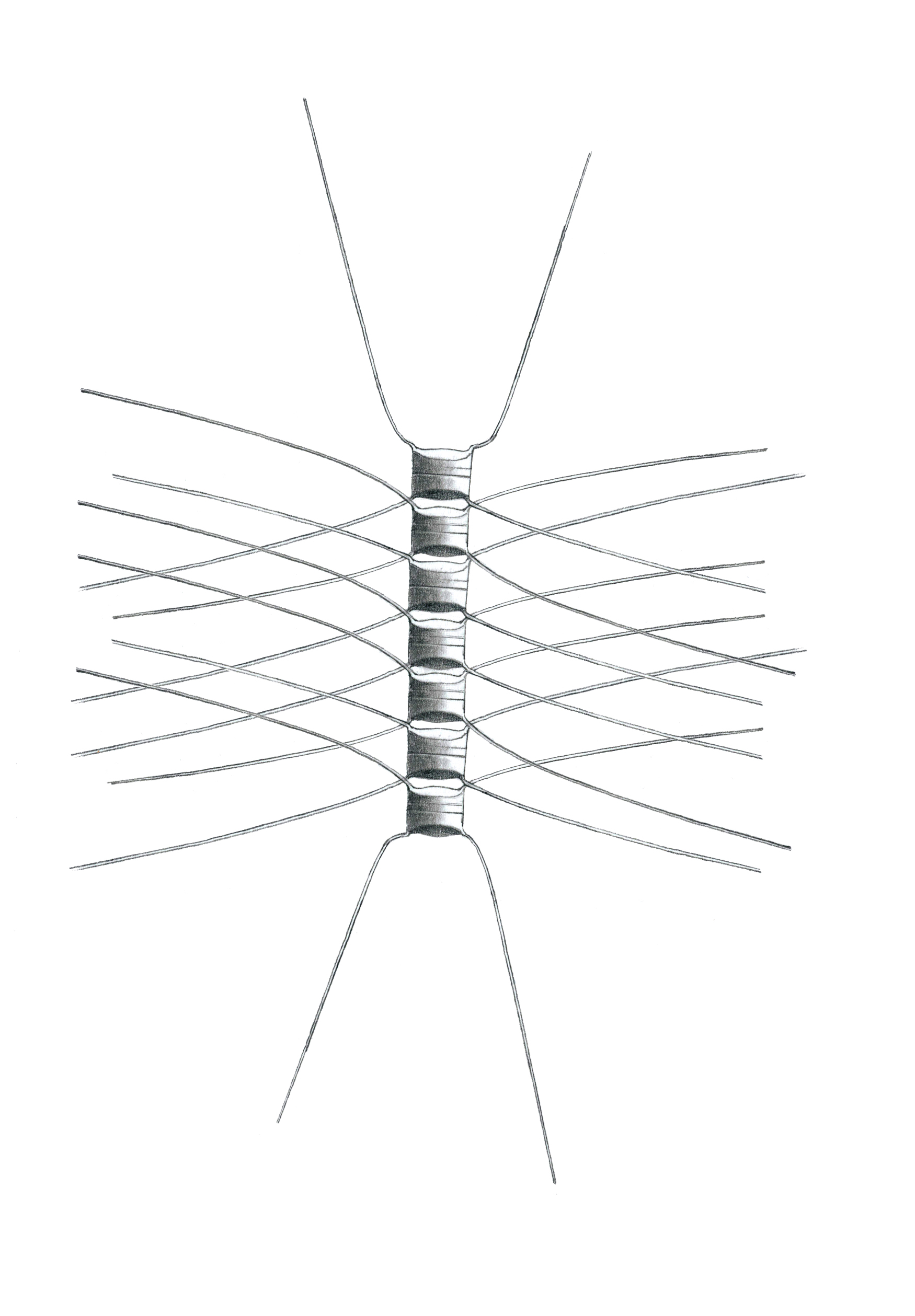
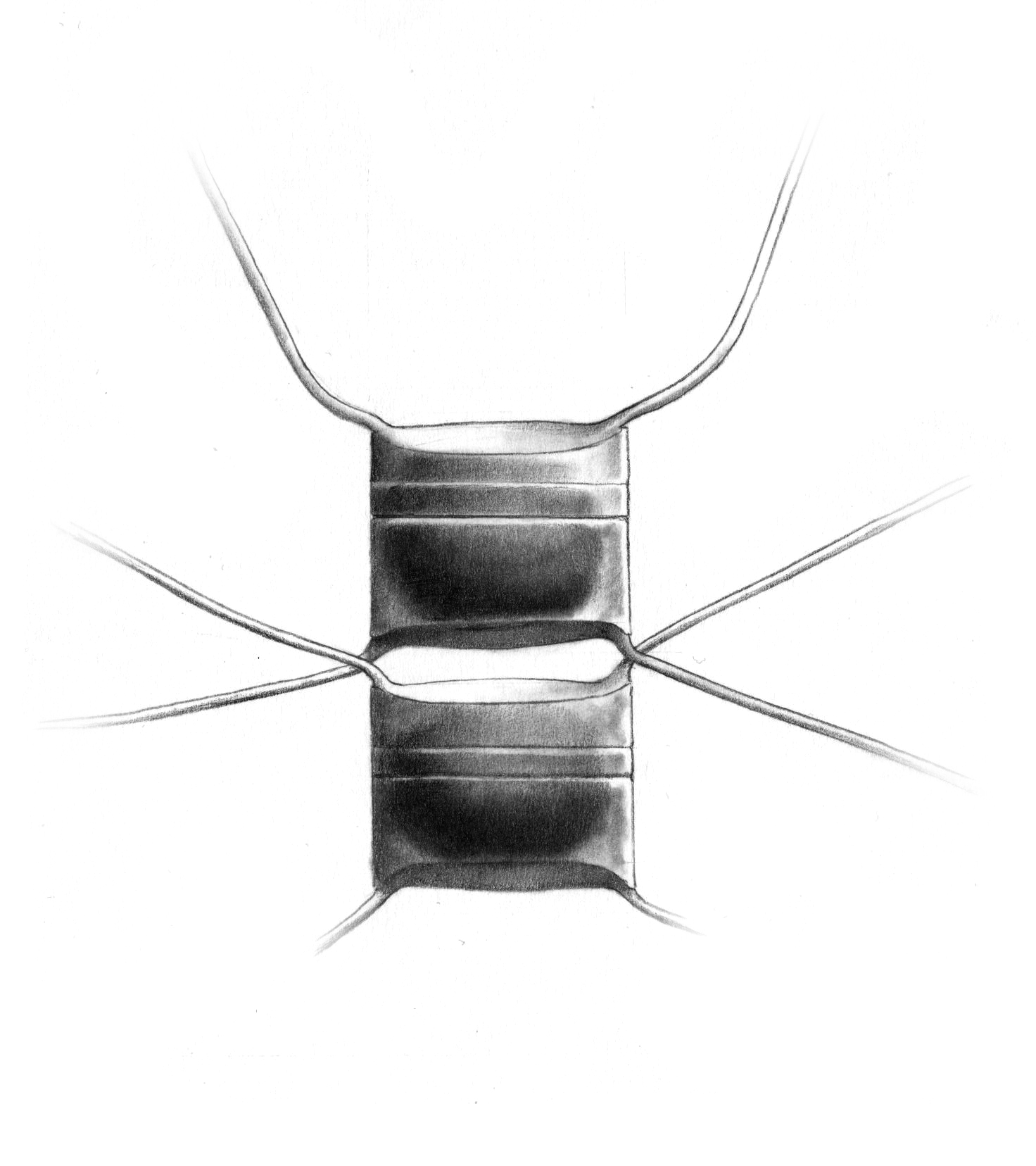
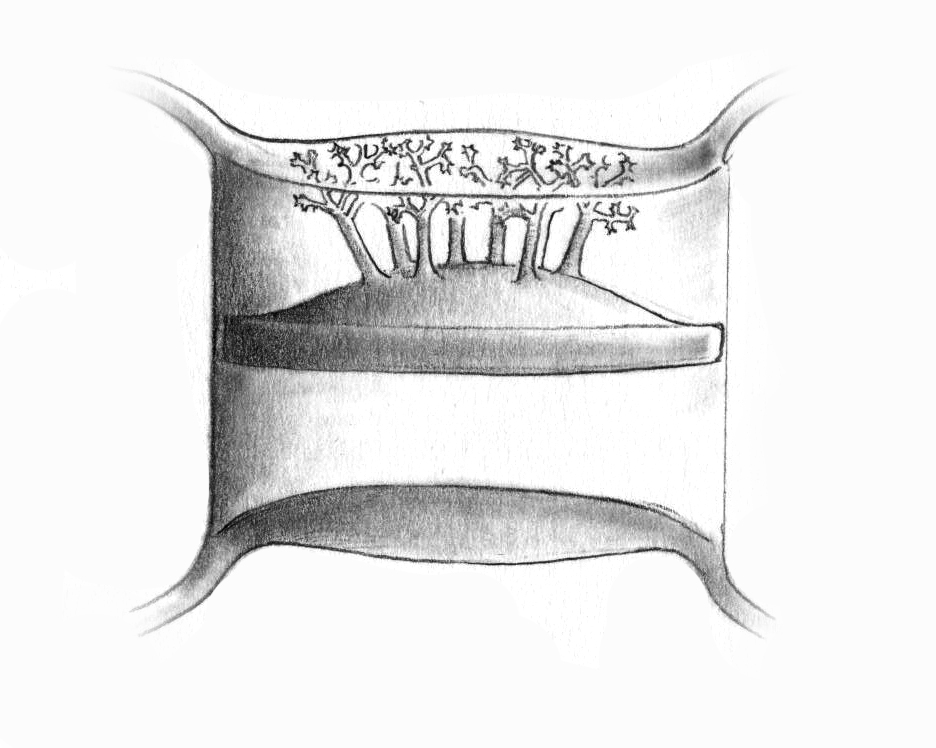
The cells, which have rounded corners, form colonies composed of chains that are straight or form a coil around the chain's axis. The valve appears rectangular in girdle view and in valve view has a convex surface. The aperture between adjacent cells (foramen) is large, elliptical and slightly narrower in the middle. The terminal setae diverge at an acute angle. Both the intercalary and the terminal setae emanate from inside the margin of the cell; after a short basal stretch the intercalary setae of adjacent cells fuse near the edges of the chain and lie perpendicular to the axis of the chain. There is only one chloroplast per cell.
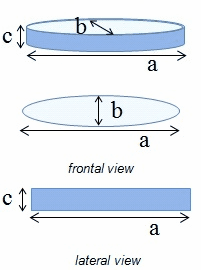
- Apical Axis: from 10 to 50 µm
Neritic, found in temperate waters.
Distribution: in Europe: Romania (Caraus, 2002).
Not reported.
Resistence Stages:Not reported.
The genus Chaetoceros (Bacillariophyta) from Peter the Great Bay, Sea of Japan., Botanica Marina 49:, Shevchenko O.G., Orlova T.Y.,Hernandez-Becerril D.U., 2006, 236-258.
Proposal of identification criteria for resting spores of Chaetoceros species (Bacillariophyceae) from a temperate coastal sea., Phycologia 50(4):, Ishii K.-I, Iwataki M., Matsuoka K. e Imai I., 2011, 351-362
Phylum Ochrophyta: brown and golden-brown algae, diatoms, silicioflagellates, and kin., In: New Zealand inventory of biodiversity. Volume Three. Kingdoms Bacteria, Protozoa, Chromista, Plantae, Fungi. (Gordon, D.P. Eds), Christchurch: Canterbury University Press., Harper M.A., Cassie Cooper V., Chang F.H., Nelson W.A. e Broady P.A., 2012, 114-163
_635192538620010000.jpg)
_635192536546170000.jpg)